Most of us think of diet and the brain in terms of memory: will what I eat now affect how sharp I am at 80?
A new study suggests the question may start much earlier, and in a place you can’t feel.
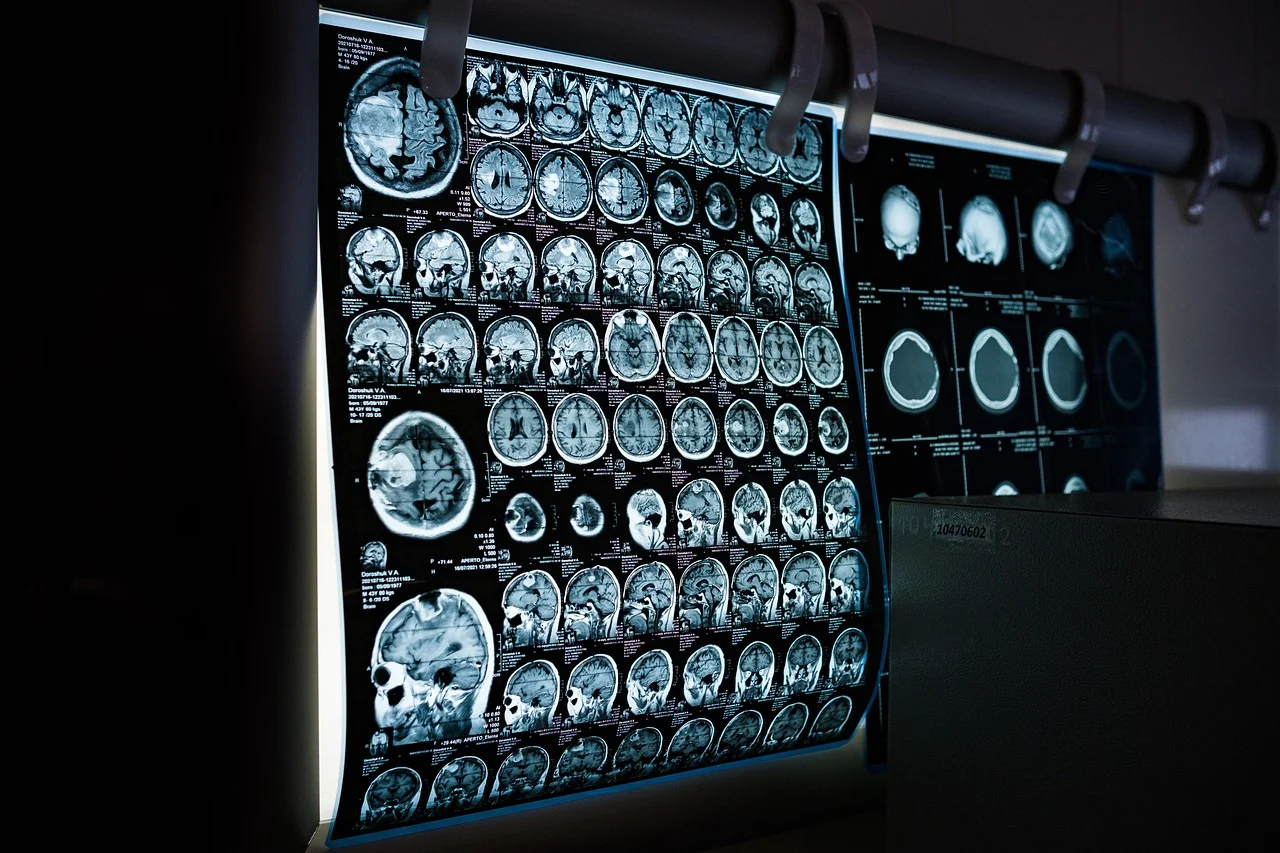
Brain scans of nearly 8 800 Canadian adults in midlife found that people who ate the most ultra-processed food were more likely to have hidden damage to the brain’s small blood vessels.
None of them had symptoms. Their thinking test scores were normal. The damage was only visible on an MRI.
Ultra-processed foods are built mostly from refined ingredients and additives
Ultra-processed foods are industrial products made mostly from refined ingredients and additives, rather than whole foods. Think:
- packaged snacks, chips and sweets
- soft drinks
- processed meats like sausages and deli meat
- many ready meals, breakfast cereals and mass-produced breads
In this study, the average participant got about 42% of their calories from ultra-processed foods.
8 783 adults filled in a diet survey and had a brain scan
Researchers led by Russell de Souza used data from two large Canadian studies, the Canadian Alliance for Healthy Hearts and Minds and PURE-MIND.
- 8 783 adults, aged 35 to 69, with an average age of about 58
- none had heart disease
- each filled out a detailed diet questionnaire about the past year
- each had an MRI scan of their brain and body, and took thinking tests
The researchers divided people into four groups by how much ultra-processed food they ate. The lowest group averaged about 3 servings a day. The highest averaged about 13 servings a day, making up roughly 45% of everything they ate.
Heavy eaters showed more hidden damage but no difference in thinking yet
Heavy eaters had 40% higher odds of hidden brain injury
The scans looked for two signs of silent vascular brain injury:
- covert brain infarcts: tiny areas of dead tissue from small, unnoticed strokes
- heavy white-matter damage: patches where the brain’s wiring has been harmed, usually by damage to small blood vessels
These are called “silent” because people usually don’t notice them. But they’re known to build up over years and are linked to later stroke and dementia.
After accounting for age, sex, ethnicity, income, education, smoking, exercise, diabetes, high blood pressure, cholesterol and total calories:
The heaviest ultra-processed food eaters had 40% higher odds of this hidden brain damage than the lightest eaters.
In everyday terms: about 1 in 12 people in the lowest group had it, compared with about 1 in 9 in the highest group. And the more ultra-processed food people ate, the higher the risk tended to be.
More hidden body fat
Heavy eaters also had:
- slightly higher body fat, about 1.7 percentage points
- more visceral fat, the deep fat packed around internal organs that’s linked to heart disease and diabetes
No difference in thinking, yet
Despite the brain changes, thinking test scores were not different between the groups.
Brain damage can build up long before it is felt
This is the key idea.
Brain blood-vessel damage tends to build up quietly over years. By the time memory or thinking problems become noticeable, a lot of damage may already be done.
This study suggests that diet may be linked to that damage in midlife, before it shows up in how people think.
Think of it like rust inside a pipe. The water still flows normally, so you don’t notice anything. But the damage is accumulating.
If that’s right, midlife may be a window for prevention, a time when changes could still matter before problems appear.
What the study doesn’t show
This is a peer-reviewed study, but its design has important limits.
It’s a snapshot. Diet and brain scans were measured at the same time. That means the study can’t show which came first, or that ultra-processed food caused the damage.
Heavy eaters differed in other ways. They were more likely to smoke, be inactive and have lower incomes. The researchers adjusted for these, but other differences could remain.
Diet was self-reported, which is never perfectly accurate.
The definition mattered. When the researchers measured ultra-processed food in other ways, such as by share of calories instead of servings, the link to brain damage was weaker. The two kinds of brain damage, looked at separately, also showed less consistent results.
The difference is modest. Most people in every group had no detectable brain damage.
Cutting back is sound advice anyway
The study didn’t test whether eating less ultra-processed food protects the brain. But cutting back is sound general advice for heart and metabolic health, and this study adds a reasonable reason to think it may help the brain too.
Practical steps:
- Cook more from basic ingredients when you can.
- Swap packaged snacks for fruit, nuts or yogurt.
- Choose water over soft drinks.
- Read labels: long lists of ingredients you wouldn’t use at home are a sign of ultra-processing.
Small, consistent changes are more realistic than an overnight overhaul.
The brain may be keeping score of diet
Ultra-processed food makes up a large share of what many people eat. Most concern so far has focused on weight, heart disease and diabetes.
This study suggests the brain may be part of the picture too, and that changes may begin long before anyone notices.
The brain may be keeping score of your diet long before you feel it.